


You don’t need to wait for 1,000 subscribers to start selling. You’re actually better off learning how to sell from your very first videos, even if you feel tiny and invisible right now.
When I started my YouTube channel, I didn’t have a course, coaching offer, or digital products. I still don’t sell a big signature product directly to my YouTube audience as I write this. But I did one thing from day one that changed everything: I added affiliate links to the gadgets I was already reviewing. And before I hit 100 subscribers, I was already seeing small but real commissions trickling in. Not massive money, but definitely enough to prove that waiting for some magic subscriber milestone was a myth.
Why I stopped waiting for a magic number before I sold anything
For a long time, I had that narrative in my head — once I hit a certain number of subscribers, then I’d be allowed to start selling. It felt responsible and humble. Grow first, sell later.
The problem is that YouTube does not send you a message one day saying now is the right time to monetize your audience. There’s no switch that flips at 1,000 or 10,000 subscribers that suddenly makes your offers less annoying or more acceptable. What actually changes is your mindset and your systems, not your numbers.
Seeing affiliate income come in with less than 100 subscribers was a wake‑up call for me. It proved that even a small, focused audience has people who are ready to spend money if you point them to something useful. I’d already spent years writing tech reviews and creator‑economy content on my site, so treating my channel as a business from day one made more sense than waiting for YouTube to bless me with a badge.
What really happens when you delay selling and focus only on growth

When you tell yourself you’ll start selling later, it sounds innocent. In reality, you create a quiet leak in your creator business.
You spend months or years publishing videos, slowly attracting viewers who like how you explain things. Some of them are ready to go deeper or ready to buy the exact product you just showed them. Instead of giving them a clear next step, you leave them to figure things out alone. They either go to someone else’s review, click someone else’s link, or simply move on and forget.
By the time you finally feel brave enough to sell, your audience is used to only seeing you as the free resource. You then have to do extra work — teach them that you now have offers, convince them that paying you is normal, and at the same time figure out what to sell and how to talk about it. All of that could have been slowly baked in from day one.
Why selling from the start actually helps your growth, not hurts it
Here’s the part that clicked for me after watching a lot of creators and running my own experiments: selling early, in a calm and honest way, actually makes your channel healthier.
Once you introduce a simple way for your viewers to pay you, even if it’s just by buying through an affiliate link, you start getting better feedback. You stop guessing what people value and you start seeing it in clicks, conversions, and questions. That kind of data is better than any vanity metric.
You also gain confidence earlier. Making your first affiliate sale or first small commission proves that your content is not just entertaining or educational; it’s valuable enough for someone to act on it. That psychological shift matters a lot when you’re grinding with low view counts. And it builds trust, because anyone who buys through you once is far more likely to trust you with future recommendations.
How I quietly monetized a tiny channel with affiliate offers
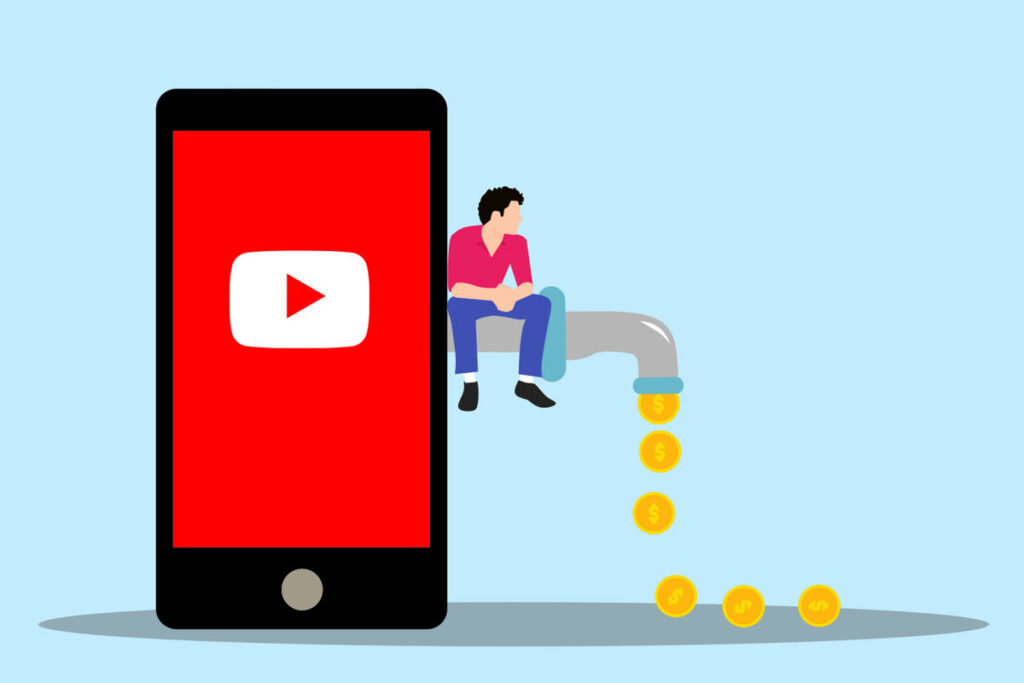
On my tech channel and this blog, most of my early money (even today) has come from affiliate marketing, not AdSense. That’s still true today. I review budget gadgets, power banks, earphones, MiFi routers, and similar everyday tech. When I publish a video, I link to the exact products in the description and sometimes in a pinned comment. Where possible, I also write a full review on my site and include the same links here.
I don’t pretend the links are not affiliate. I’ll simply tell you that if you buy through them, I earn a small commission at no extra cost to you — you can see the disclaimer on top of this post. Over time, some brands and programs have become core partners for me. For example, I’ve broken down how to join and monetize the Oraimo affiliate program in detail because it has become a meaningful income source tied directly to the kind of products I already cover.
So even though I haven’t pushed my own digital products heavily to my YouTube audience yet, I’ve still been selling from day one. Not in a loud way, just by making sure viewers who are ready to buy have a direct path to do it through me.
How you can sell without turning your videos into awkward ads
The main fear most creators have is sounding salesy. You don’t want to sound like a TV commercial wedged into your own content. The good news is you don’t need to change your personality or talk like a marketer to sell early.
What works best is keeping your content genuinely helpful, then adding clear, short pathways for anyone who wants more. That might mean mentioning that all the products you used are linked below, stating that some of them are affiliate links, and briefly saying that using those links supports the channel. It might mean telling viewers that if they want a deeper breakdown with more photos and specs, you’ve written a full review on your blog and linked it in the description.
The key is to treat selling as a natural extension of your help. You are not interrupting the video to chase money. You are extending the value for people who are ready to go further, pay for something, or need more details before buying.
Simple things you can start offering right now on a small channel

You might feel like you need a full‑blown course or membership before you’re allowed to sell. You don’t. On a small YouTube channel, simple offers are more than enough.
If you are a tech creator, the easiest place to start is with the gear and products you already show on camera. That could be the phone you use to shoot, the earbuds you reviewed last week, the power bank you keep recommending, or even the software you edit with. Most of these tools have affiliate programs if you take time to look. I’ve seen this work on both YouTube and blogging, and I’ve shared several ways blogs can be monetized beyond just ads.
From there, you can layer simple digital helpers. A short checklist that you already use to upload videos, a one‑page PDF of your recommended gear, or a basic template for planning videos can become low‑friction offers. You do not need huge funnels — you just need something that exists for the people asking for more.
How this plays out if you are both a YouTuber and a blogger
If you also run a blog alongside your channel, you’re sitting on an even better setup. I know this firsthand because I juggle both written content and YouTube, plus other projects.
On the blog, I can go deeper into topics YouTube viewers care about. For example, when I publish a video review of a gadget, I often create a long‑form article with more photos, detailed specs, and buying advice. That article then includes affiliate links and sometimes extra context. Over time, I’ve built an entire creator‑economy category where I show you how to approach YouTube, blogging, and monetization more like a real business.
What this means for you is simple — your blog and your channel can work together to sell from day one. The video wins attention and trust, the blog post handles all the details and links, and both point to the same offers.
Why learning to sell is just another skill you need as a creator

Most creators treat selling like a privilege reserved for big channels, but it’s just another skill you need to learn, the same way you learnt scripting, editing, or talking to camera. Waiting until you are big doesn’t protect you from making mistakes; it just pushes your learning curve further into the future.
When you start small, you can afford to be rough around the edges. You can refine how you talk about affiliate links, how you explain your offers, and how you structure your descriptions while your audience is still modest. By the time your channel grows, you’ll already be comfortable combining content and monetization without feeling like you’re betraying your viewers.
I’ve applied the same thinking in other parts of my career. Whether it’s freelance writing, blogging, or YouTube, I’ve learnt that the creators who treat their work like a business from day one tend to move faster than those who wait for permission. That’s why in my guide on starting and running a YouTube channel on your phone, I frame the whole thing as a real project, not a random side hobby you hope will magically turn into a paycheck one day.
How you can start selling today without overcomplicating things
If you are currently telling yourself that you’ll start selling once you have more subscribers, I want you to flip that script a bit. Instead of looking at your sub count, look at your next upload.
Ask yourself what you are already recommending or using in that video that your viewers might want to buy. Set up one affiliate link for it. Add it to your description and make a simple note that it is an affiliate link. In the video, mention that anyone who wants the exact product can find it below. Then watch what happens over the next few weeks.
Once you see a few clicks or even a small commission, you’ll realize that you didn’t need a big audience to start — you just needed to give your existing viewers a clear way to support you and solve their problems faster. From there, you can gradually build out better offers, stronger systems, and maybe your own products. But the mindset shift starts now, not at some random number on your analytics dashboard.
