


Xiaomi Redmi 14C
Doesn't blow the benchmark charts but just works for if you're an everyday user who just needs a working smartphone.
The Good
- Excellent battery life
- Affordable price under 120 dollars
- Large 256GB storage and 8GB RAM
- Expandable storage and dual SIM support
- Decent cameras for photos
- Headphone jack for wired audio lovers
- 120Hz refresh rate screen
- 33W charger included in the box
The Bad
- Display struggles outdoors in bright sunlight
- Single speaker with average sound quality
- Large and somewhat awkward camera bump
- Occasional ads in system apps
If you’re hunting for a phone that won’t dent your wallet but still lets you scroll, snap, and text without pulling your hair out, the Xiaomi Redmi 14C might just be what you need. I’ve been messing around with this device for almost one full year now, and here’s my honest take. Spoiler: It’s not perfect, but for $120, it’s a phone you should seriously consider if practicality matters more to you than prestige.
What you get in the box is more than flagships offer
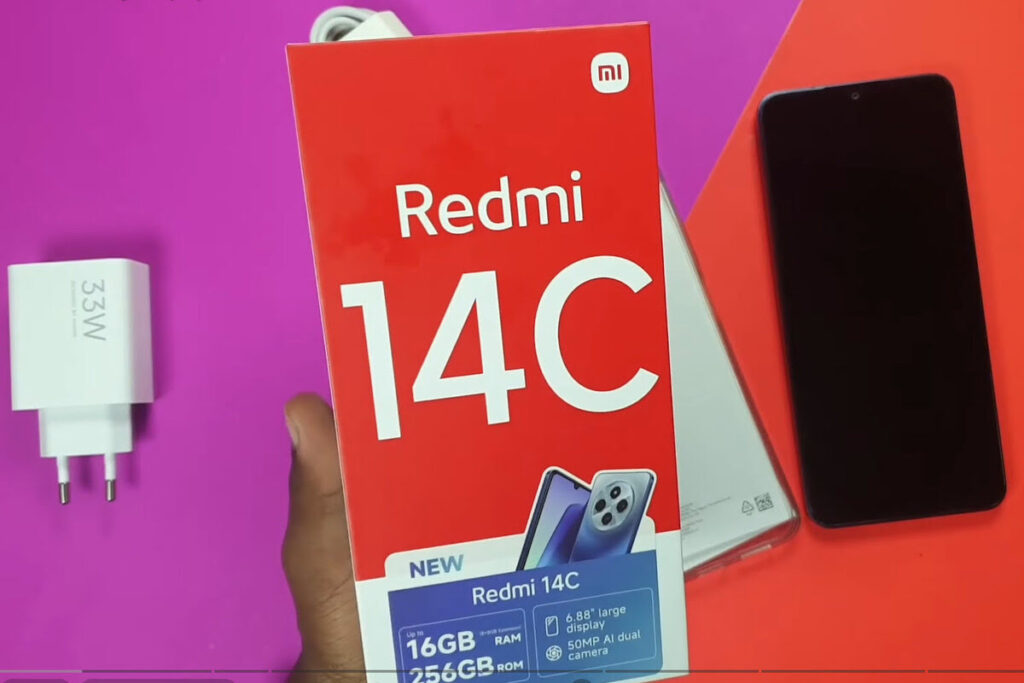
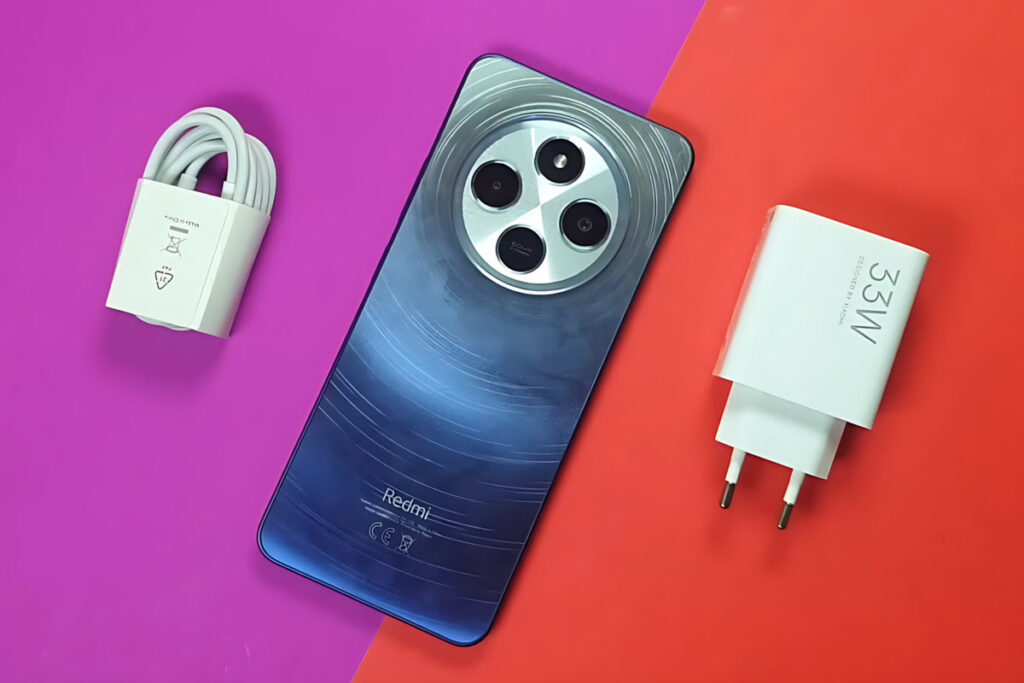
Inside the box you’ll find a full ecosystem of accessories, something refreshingly rare in the budget space these days. You’re getting a clear protective case that does a solid job out of the gate, a USB Type-C cable, a 33-watt power brick, your user manual, and a SIM ejector tool (though I misplaced mine immediately, so good luck with that).
Flagships phones and budget phones like the Samsung A06 only throw in a cable and call it a day. The 33W charger is a pleasant surprise — though I’ll explain the catch later when we dig into battery life.
The design is bold and unapologetic
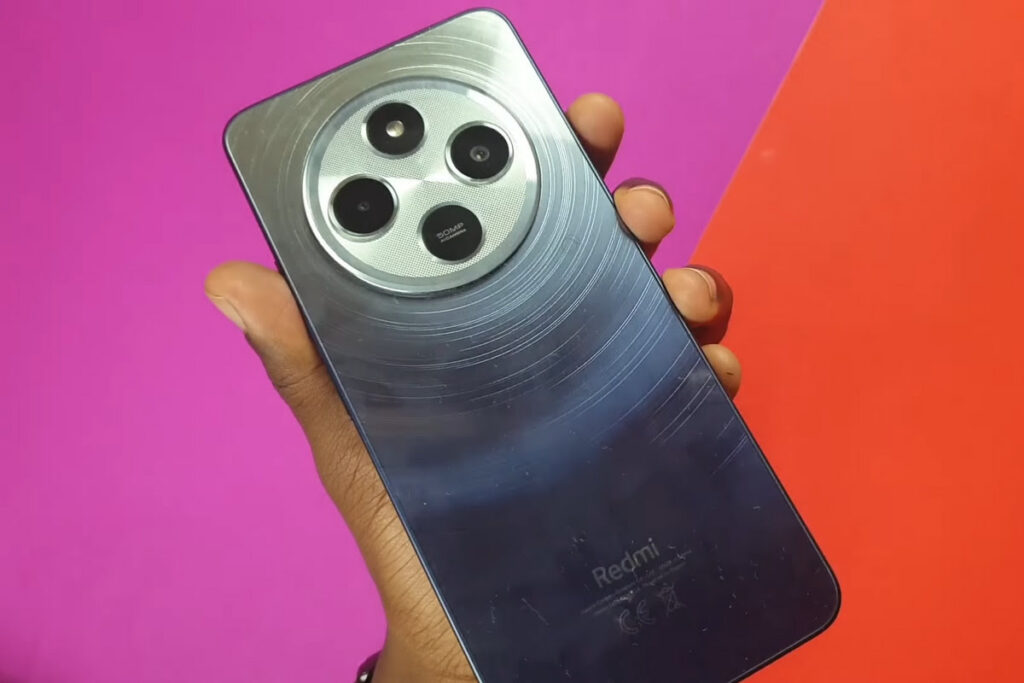
The Redmi 14C is a large device with a bold, uncompromising design. Mine is in the Starry Blue color, and it genuinely looks stunning thanks to that ombre effect that fades from silver at the top to deep blue at the bottom. The back is made of Gorilla Glass 3 with a plastic frame on the sides, which keeps weight down without making it feel cheap. The overall aesthetic punches above its price point.
The design includes several smart touches: a dual camera setup with an admittedly large camera bump, a side-mounted fingerprint sensor built into the power button (which is fast and reliable), a volume rocker positioned above the power button, and a single speaker at the bottom alongside the USB-C port and microphone.
There’s also a 3.5mm headphone jack at the top — a feature that disappeared from premium phones but remains essential for budget users. The phone features a dual SIM tray with dedicated expandable storage, so you’re not forced into that annoying hybrid slot compromise. The overall look is genuinely appealing, the camera bump is definitely large and bold. Some people will love its presence but others might find it a bit much. It’s not a dealbreaker, but it’s worth knowing if you hate protruding cameras.
The 6.88-inch screen impresses indoors but struggles in sunlight
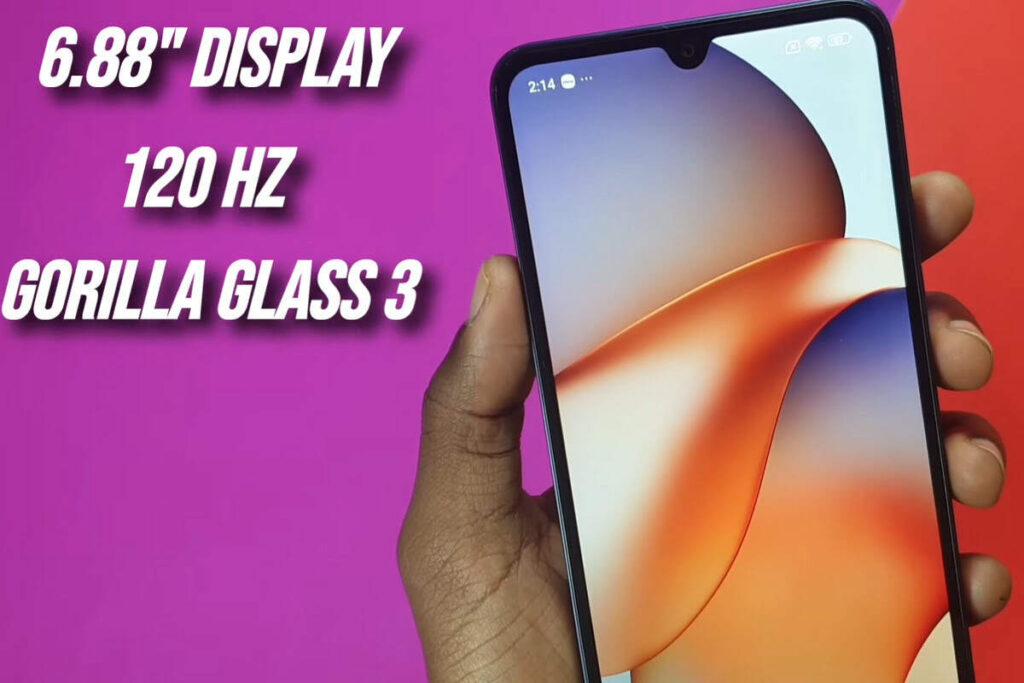
The Redmi 14C sports a 6.88-inch IPS LCD with a 120Hz refresh rate and Gorilla Glass 3 protection. On paper, 720 x 1640 resolution at 260 ppi doesn’t sound mind-blowing — and technically, it isn’t. But here’s the thing: day-to-day, the experience feels snappy and smooth.
Scrolling through Instagram or endless TikTok sessions, the 120Hz refresh rate makes all the difference. Fire up YouTube or Netflix when you’re chilling inside, and you’re getting a genuinely pleasant experience. Colors look alright, natural enough for everyday use. The display also supports 240Hz touch sampling, which makes taps and swipes feel responsive even in games.
But take this phone outside on a sunny afternoon? Crank up the brightness all you want; that screen just can’t compete with direct sunlight. Reading texts, checking WhatsApp, watching memes — half the time, you’ll be squinting and cursing at the glare. This is the one place where the display noticeably compromises, and it’s a real limitation if you spend a lot of time outdoors.
Android 15 and HyperOS make this feel more polished than expected
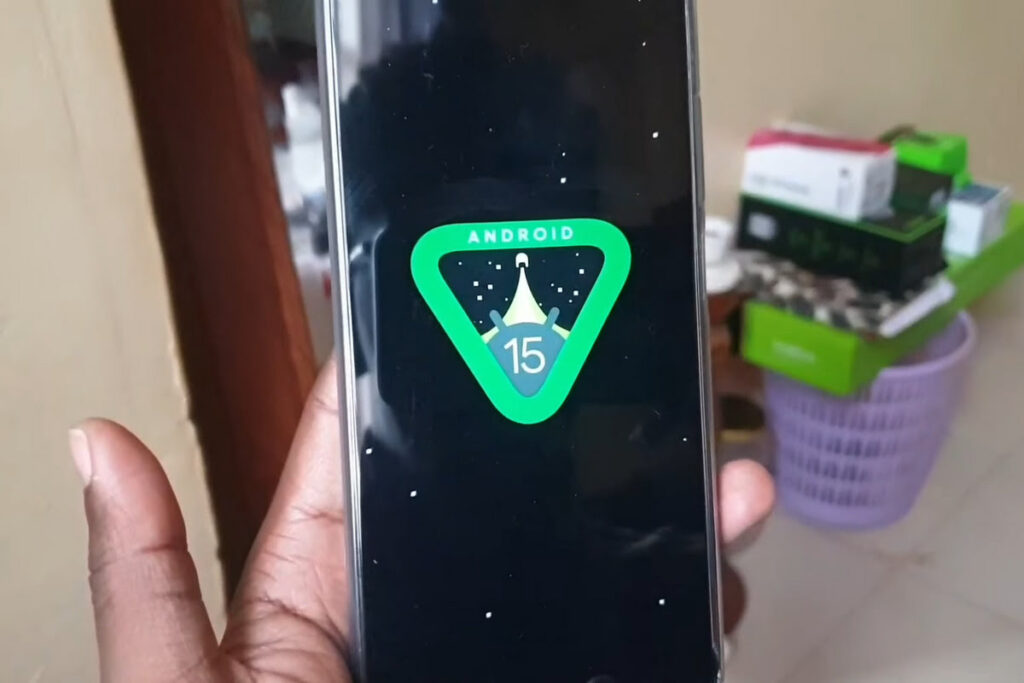
Out of the box, the Redmi 14C runs Android 14 with Xiaomi’s HyperOS — a significant departure from the older MIUI many of us are familiar with. I upgraded to Android 15 immediately after setting it up, and it runs smoothly. The system feels refined, with minimal bloat compared to older Redmi iterations.
The phone is powered by a MediaTek Helio G81 Ultra processor with Mali G52 GPU, paired with 8GB of RAM and 256GB of storage. The RAM can be extended virtually to 16GB through the memory extension feature, but honestly, I never felt the need to activate it. The 8GB was always sufficient.

Here’s how it performed in my real-world everyday usage. Gaming has been impressive. I mainly play eFootball Mobile and tested it at maximum graphics settings. The Redmi 14C handled it surprisingly well with only occasional frame drops that never ruined the experience. If you’re into casual gaming or anything outside of demanding AAA titles, this phone won’t let you down.
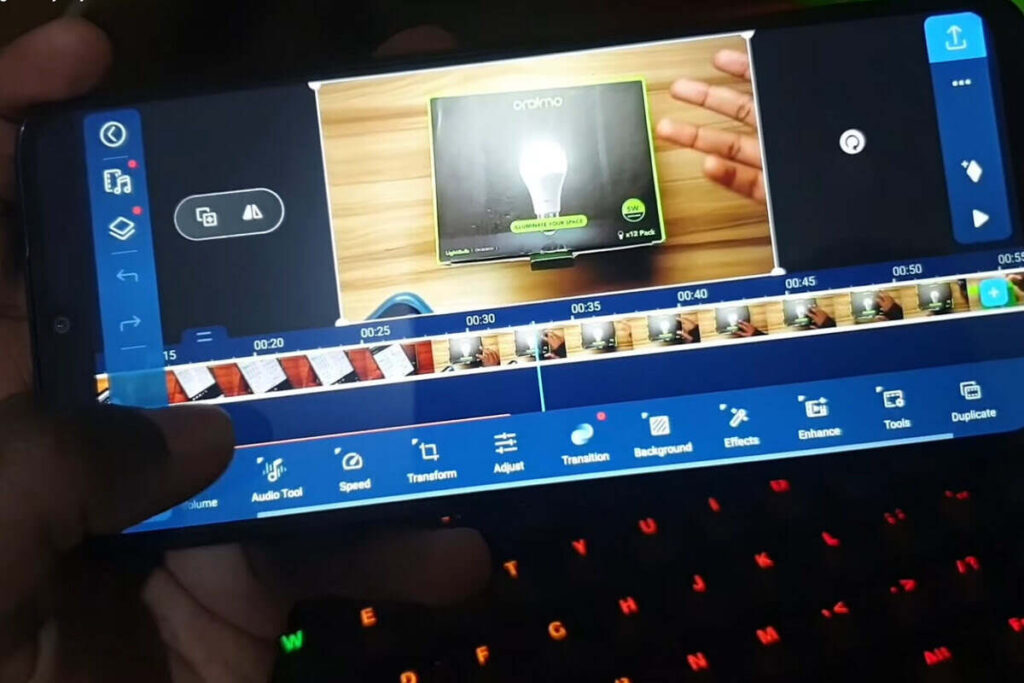
Content creation is where this phone surprised me. I edit my YouTube videos in 1080p using PowerDirector on this device, and it managed without freezes or annoying delays. If you want to start a YouTube channel on a budget, this phone can definitely get the job done, especially for overhead product shots or quick content.
Everyday tasks — calls, texting, social media, browsing, YouTube, and Netflix run without any issues. For a budget phone, the performance is legitimately more than I expected. Unless you’re extremely into heavy gaming or video rendering, this device will handle whatever you throw at it smoothly 90% of the time.
The camera setup won’t win awards, but it handles what matters
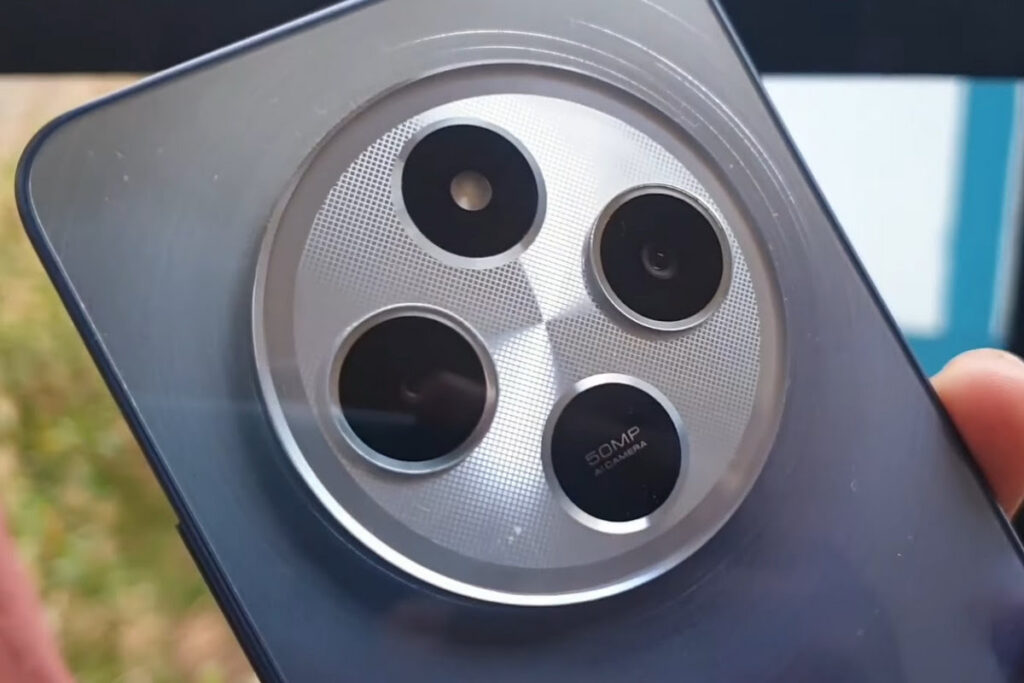
The Redmi 14C comes with a 50MP dual rear camera setup and a 13MP front-facing camera. Front camera selfies are decent, especially in portrait mode where the background blur is convincing and makes you look less like you just rolled out of bed. The camera app offers beauty modes, but you can disable them if you prefer a more authentic look.
Rear camera photos look clear and sharp in good lighting — the 50MP sensor really shines when you’ve got sunlight on your side. Videos are not the strongest point. They’re acceptable for casual use, but don’t expect cinema-level production. You’re limited to 1080p at 30fps, which is standard for this price bracket.

Creating video content is absolutely doable. I’ve filmed some YouTube clips with this phone, and for a creator just starting out on a budget, it can absolutely get the job done. The wide-angle lens is practical, and the optical image stabilization helps keep footage steady during handheld recording. For overhead product shots — something I do frequently, this camera punches well above its weight.
The big camera bump might look like it houses a triple setup, but realistically, only two of the sensors are active. It’s an aesthetic choice that works, but don’t expect triple camera versatility.
The battery life can get you well beyond a single day
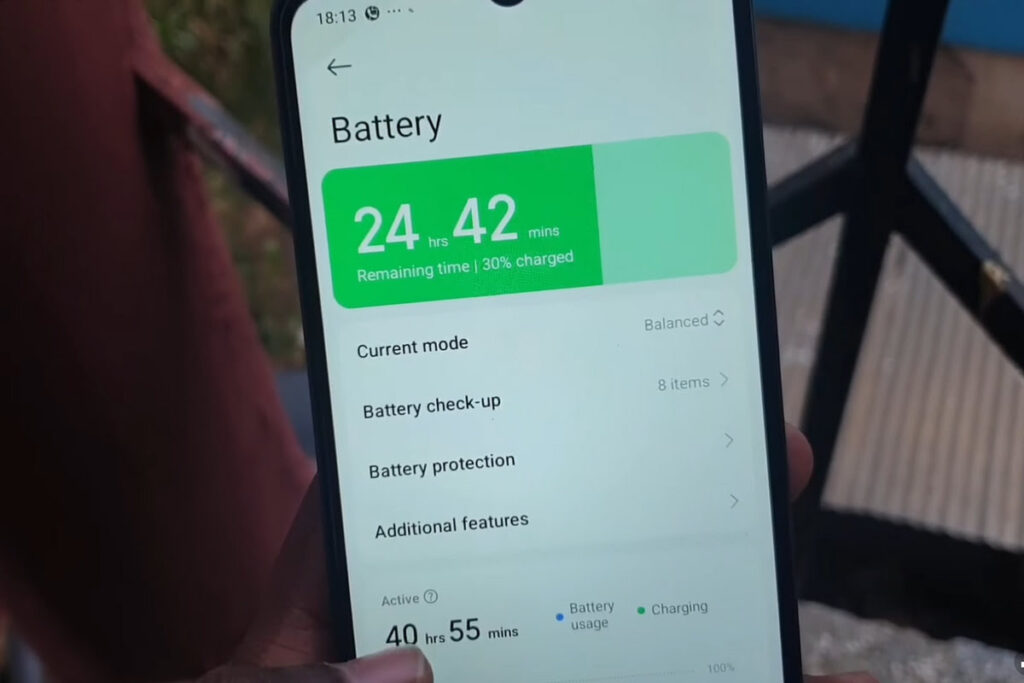
The Redmi 14C is powered by a 5160mAh battery. On average, it takes about two hours to fully charge at its maximum supported speed of 18W. Yes, the charger is 33W — that’s a marketing quirk, but the phone only charges at 18W max. It’s worth noting but not a dealbreaker since the included charger (worth around $20) is still more powerful than what competitors offer.
Once charged, the phone can easily last a full day, even with moderate to heavy use. On lighter usage days, I’ve stretched it to two full days without plugging in and still had battery percentage left to brag about. Coming from a Samsung flagship that barely lasted half a day, this was genuinely refreshing. If you value strong battery life and don’t want to live tethered to a charger, the Redmi 14C is a great pick.
The speaker is below par, but you’ve got the headphone jack
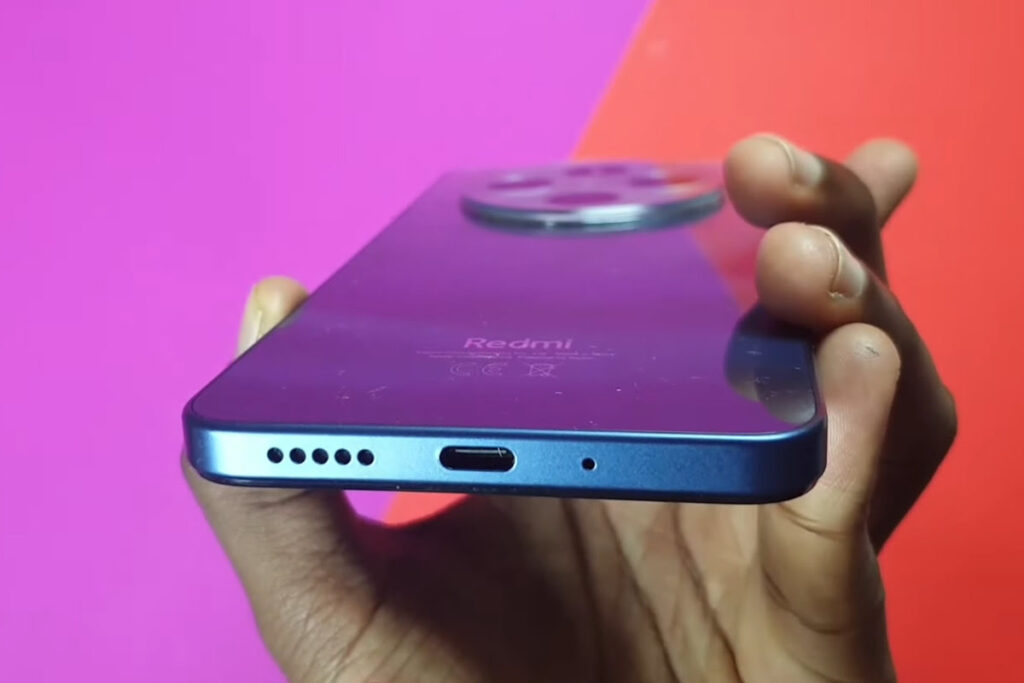
The phone features a single bottom-firing speaker. Sound is acceptable for casual listening, but the lack of bass and overall richness is noticeable if you’re comparing it to phones with stereo speakers. If you want a better audio experience, the 3.5mm headphone jack is your friend — pair it with decent wired earphones or connect Bluetooth headphones instead.
Call quality is fine. The microphone is clear enough, and I’ve had no issues during conversations. The speaker gets loud enough for speakerphone calls without distortion, which is all you really need.
Ads in system apps are annoying but easy to disable
One thing I must highlight here is the occasional presence of ads in built-in Redmi apps. This is a common practice in HyperOS on budget devices, and while not a deal breaker, it can be annoying if you prefer a completely clean software experience. However, there are ways to disable most of these ads in settings, though it requires a few extra steps. Once you turn them off, they stay off.
IP52 water and dust resistance is durability you don’t usually get at this price
Something I didn’t emphasize enough in my initial use: the Redmi 14C carries an IP52 rating for dust and water resistance. This means it can handle light splashes and dust exposure, which makes it genuinely practical for everyday life. It won’t survive a dunk in the pool or heavy rain, but accidental spills and dusty pockets? No problem. This is a feature that often gets overlooked on budget phones but actually matters in the real world.
The Redmi 14C is a good option if you need something that just works
The Xiaomi Redmi 14C is a solid recommendation in the budget category. For just over 100 dollars, you’re getting a smartphone that handles everyday tasks, casual gaming, content creation, and binge-watching without breaking a sweat. The outdoor brightness could be better, the speaker is average, and the ads in system apps are annoying. But when you balance these against the excellent battery life, smooth performance, massive storage, practical durability rating, and overall affordability, the Redmi 14C comes out as a genuinely good deal.
If you’re looking for a reliable budget phone that simply works without the bloat, without the pretense, without the premium price tag, the Redmi 14C is a phone I can confidently recommend. It’s the kind of device that proves you don’t need to spend flagship money to get a phone that handles real-world demands.